Name the operation before you name the tool
A repair task may involve releasing a fastener, gripping a component, detecting voltage or opening a drain. These are fundamentally different operations. The right starting question is whether you need to inspect, test, grip, loosen, cut or assemble something. Only then does it make sense to compare tools within a family.
A mechanic's socket set can be useful for a range of fasteners, but it will not replace a non-contact voltage detector or an inspection camera. Likewise, a cordless impact wrench is not a calibrated final-torque device. Recognizing the boundary between tool types saves money and reduces the chance of using an unsuitable tool.
Practical selection checklist
- Identify the material and exact operation; choose an appropriate tool family first.
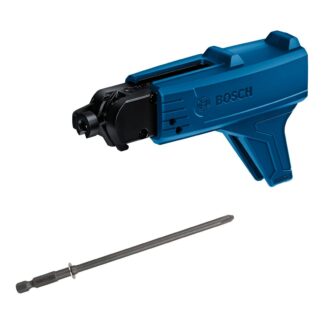
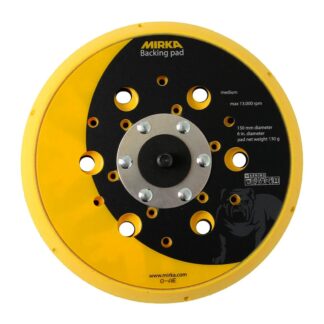
- Check working clearance, drive size, cable dimensions, attachment profiles and any manufacturer-specific compatibility.
- For energized circuits, load-bearing work or pressure systems, use the proper test method and qualified assistance when required.
Use this page as a decision aid across hand tools, power tools, electrical equipment and plumbing tools. The linked category pages contain the actual models, not a single universal repair kit.
Which products can you compare?
- 450-piece mechanic socket set
- Cordless impact wrench, 1,300 N m listed torque
- Non-contact AC voltage detector
- Sewer camera, 50 m with 512 Hz locator
Related categories and further product details appear below this guide. Product offers and after-sales service are handled by VEVOR.
Frequently asked questions
Can a socket set replace a specialized electrical tool?
No. Fastener tools do not test electrical conditions. Use instruments rated for the relevant electrical task and verify absence of voltage using the correct procedure.
Are multi-purpose tools always the best value?
Only when their approved uses match the actual tasks. A generic multi-purpose claim should never override compatibility or a tool's rated limits.
How can I avoid buying the wrong accessory?
Check the exact interface and dimensions: socket drive, fitting profile, chuck, blade, jaw or cable range as applicable. Model names alone are not enough.